Scoliosis Treatment in Markham
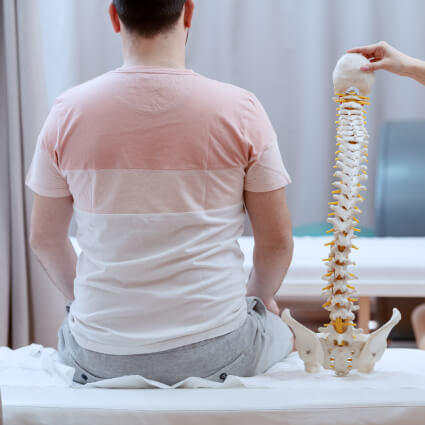 Scoliosis is more than “a curve in the spine.” It may affect how the body distributes weight, the shoulders and hips sit, and the muscles function during everyday movement. Sometimes it’s obvious; other times it’s a quiet pattern you only notice in photos, clothing that hangs unevenly, or with a child who suddenly avoids sport because “my back feels weird.”
This condition often begins as a slight bend that can gradually progress over time. Kids don’t always complain of pain, so if your child mentions discomfort with exercise or says something doesn’t feel right, it’s worth taking seriously. Adults may also experience it, particularly when prolonged sitting, repetitive work, or prior injuries lead the body to compensate in the background.
What Scoliosis Can Look Like in Real Life
Many people expect scoliosis pain, but it doesn’t always show up that way. You may feel stiffness or notice fatigue, like your back is “working overtime.” Others notice asymmetry first, as one shoulder sits higher, one hip seems to lead, or the ribcage looks different when bending forward.
Scoliosis is commonly identified when the spine curves more than ten degrees on imaging. Whether imaging is appropriate depends on the individual, and it should be explained clearly before any arrangements are made.
Signs and Symptoms Worth Checking
A check at Adjusted Health can help assess whether scoliosis is likely and what next steps are appropriate. Here are common signs and symptoms people notice:
- Shoulders or hips look uneven
- The presence of a hump in the middle or upper back
- Breathing may feel more restricted, including shortness of breath in some cases
- Widespread back pain (scoliosis typically affects the entire spine)
Why Early Checks Matter for Kids and Teens
Scoliosis may change during growth spurts. A curve that appears mild at one stage may become more pronounced as height and proportions change. Parents often catch it during back-to-school routines, sports seasons, or when winter layers come off, and posture is easier to see.
Early screening may provide clarity and direction. Instead of guessing, you get a clear plan, whether that’s monitoring, movement guidance, or coordinating with other providers as needed.
How Chiropractic May Help Scoliosis-Related Strain
Chiropractic care isn’t positioned as a cure for scoliosis. It may help with mechanical factors such as stiffness, tension, mobility limitations, and the body’s compensatory patterns around the curve.
Scoliosis-informed care at Adjusted Health often focuses on improving function and day-to-day comfort. Picture a door that doesn’t swing smoothly; you might not rebuild the frame, but you can reduce friction so it moves better.
Your plan may include joint and spinal mobilization (when appropriate), soft-tissue strategies to reduce guarding, and home recommendations that fit real life. Small shifts in backpack habits, desk setup, sleep position, and variety of movement throughout the week can matter.
What to Expect on Your Visit
A scoliosis appointment typically starts with listening, because context matters. Is this about a growing child? A desk-heavy work week? A new ache after changing your workout routine?
From there, the visit may include postural assessment, movement testing, and a discussion of findings. If imaging is suggested, you should understand why it is recommended, what it can clarify, and how it may influence planning. You should leave knowing the next step, even if it’s simply “monitor and re-check.”
Simple Habits That May Help Day To Day
Scoliosis-related discomfort often flares when the body stays in one position too long. If you sit for school or work, add brief reset moments, stand up, rotate gently, open the chest, and take a few fuller breaths that expand the ribcage.
For kids, patterns matter. Watch for favouring one side, avoiding certain movements, or complaining after activity. Children may not describe pain clearly, but they often show you through behaviour.
Frequently Asked Questions
Should my child be checked even without pain?
Can adults also have scoliosis?
Next Steps for Scoliosis Care in Markham
If you’ve noticed posture changes, ongoing back tension, or a child who reports exercise-related discomfort, a scoliosis screening can provide clarity and a plan that feels manageable. Contact us today to schedule an appointment.
Book a Scoliosis Assessment
